
Life Sciences

Study Levels
Mode & Time
Popular Countries
 Germany
 Dubai (UAE)
 Indonesia
 Canada
 Malaysia
 Europe
 Japan
 United States of America (USA)
Key Insights
What is Life Sciences ?
Life Sciences is a broad scientific field focused on the study of living organisms, biological systems, genetics, microbiology, biotechnology, and biomedical sciences. Programs combine theoretical biology, laboratory experimentation, data analysis, and applied research, preparing students to contribute to advancements in healthcare, pharmaceuticals, agriculture, environmental sustainability, and biotechnology. Life Sciences degrees are highly research-oriented and often serve as pathways to medical, pharmaceutical, clinical research, or doctoral studies.
Who should choose this course?

Students planning to study abroad in 2026

Aspirants preparing for IELTS / PTE / TOEFL

Students passionate about biology, genetics & biomedical research
Core skills you'll learn
- Laboratory & Experimental Techniques
- Molecular Biology & Genetics
- Microbiology & Immunology
- Data Collection & Scientific Analysis
- Research Design & Reporting
- Biostatistics & Bioinformatics Basics
- Ethical Research Practices
- Critical & Analytical Thinking
Industries where this course is relevant
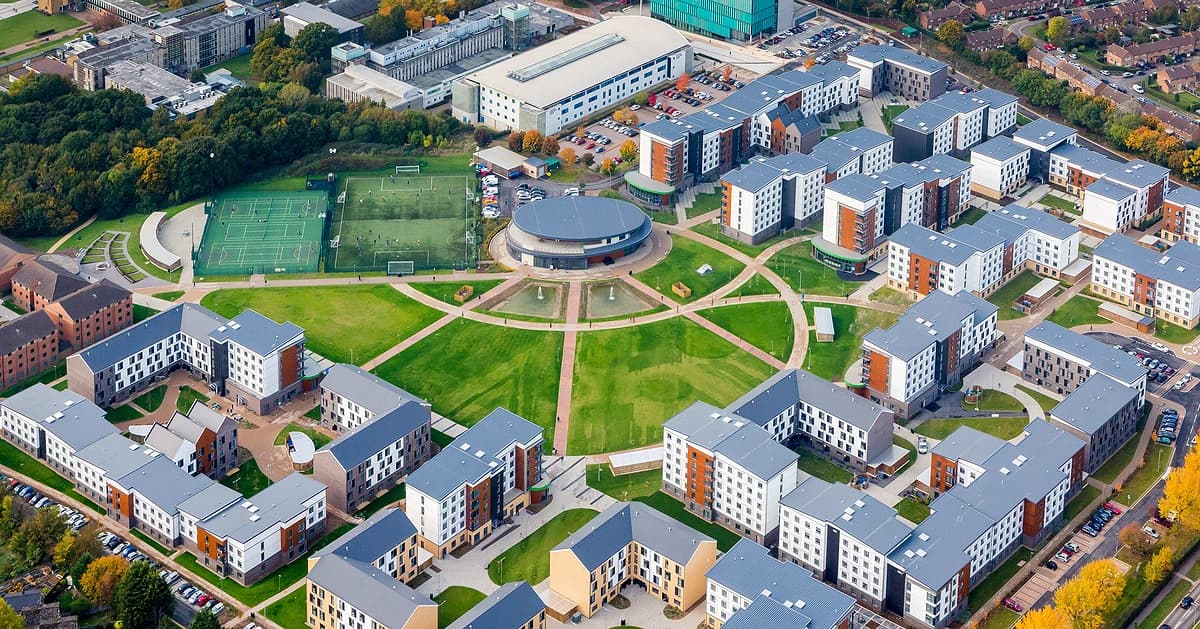
Top Institutions Offering This Course

Top Courses Offered Under Life Sciences
Bachelor of Life Sciences
Bachelor of Biomedical Science
Bachelor of Biotechnology
Master of Biotechnology
Master of Biomedical Science
Master of Molecular Biology & Genetics
Master of Clinical Research
PhD in Life Sciences / Biomedical Research
That's not all, Germany has more than 200 institutions
Popular Countries








That's not all, Explore More Country
You may be eligible for up to 50% Scholarship
at a renowned University
Check your eligibility and receive end to end assistance for FREE!