
Japan
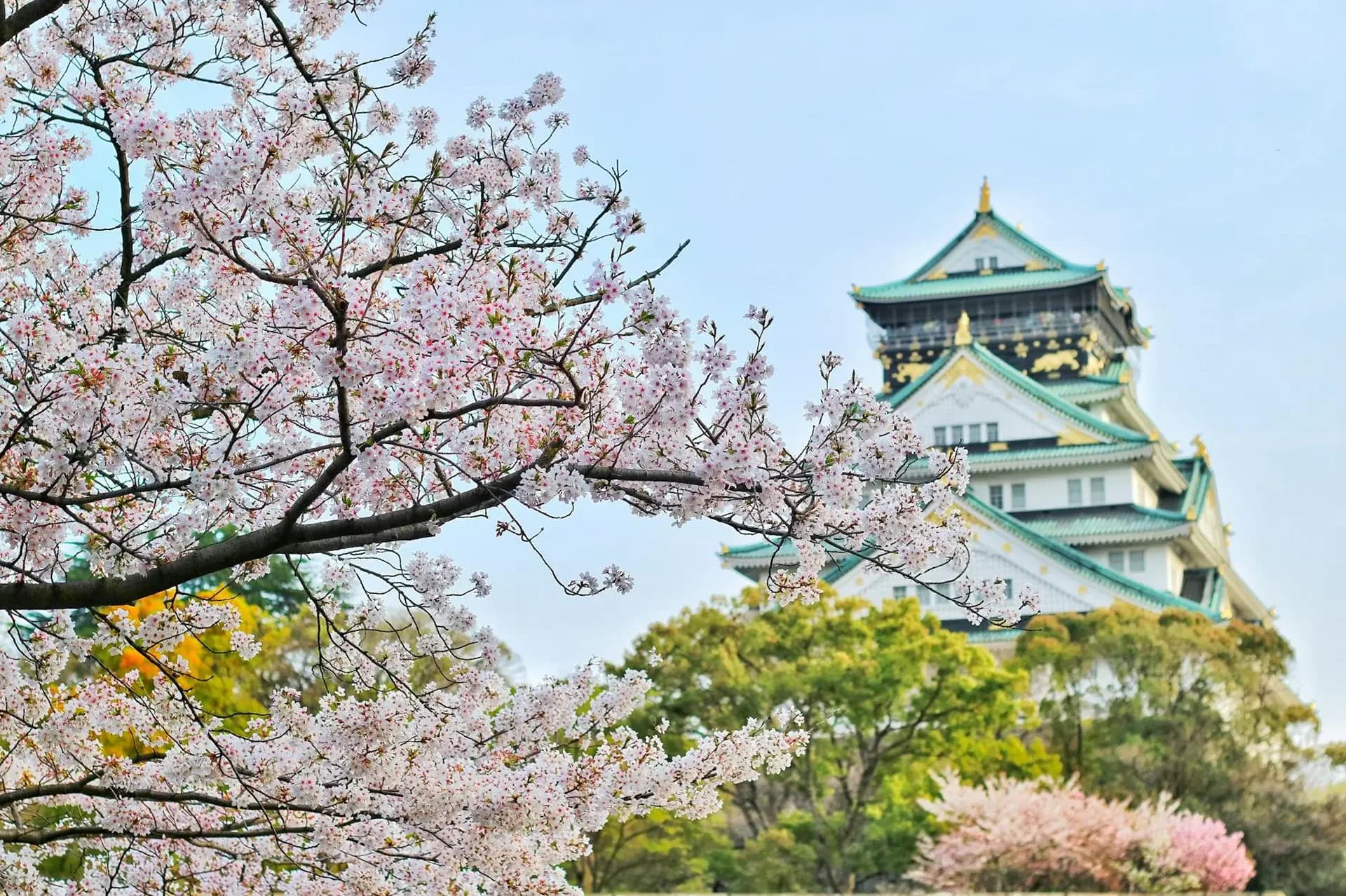
Japan is one of Asia’s fastest-growing study destinations, enrolling 336,708 international students as of May 2024, a 21% year-over-year increase and the highest on record. With a strong government push targeting 400,000 students by 2033, Japan combines academic depth with expanding global accessibility. The country offers structured tuition at national universities, growing English-taught programs, and clear post-study pathways including job-hunting and specialist visas. High safety standards, advanced infrastructure, and close integration with Asia-Pacific markets make Japan a strategic choice for long-term career outcomes.
Key Insights
Key Student Cities
Japanese cities offer excellent public infrastructure, safety, and vibrant student communities, though housing availability requires early planning particularly in high-demand metropolitan areas with limited dormitory spaces.
Cost of Studying in Japan
Cost of Living in Japan
Tokyo is the most expensive, while regional cities offer more affordable options. Visa authorities typically expect proof of ¥1,500,000–¥2,500,000 annually.

Admission Requirements for Studying in Japan
- Academic transcripts from all previously attended institutions
- Certified Japanese or English translations of academic documents
- Secondary school certificate or university degree meeting Japanese entry standards
- Official Letter of Acceptance from a Japanese institution
- Examination for Japanese University Admission for International Students (EJU) for most national and many private universities
- Statement of Purpose (typically 500–1,000 words)
- Letters of Recommendation from academic or professional referees
- Curriculum Vitae detailing education, experience, and achievements
- Valid passport with minimum 6 months validity
- Proof of financial resources: ¥1,500,000–¥2,500,000 annually
- Japanese or English language proficiency certificates depending on program language
- Certificate of Eligibility (COE) processed by the university
- Academic certificates and diplomas with certified translations
- Portfolio for creative disciplines (Design, Architecture, Music, Arts)
- Research proposal for Master’s and PhD programs
You may be eligible for up to 50% Scholarship
at a renowned University in Japan
& 0 More Partner Institutions
Check your eligibility and receive end to end assistance for FREE!
Language Requirements
Program language determines proficiency requirements. Japanese-taught programs require high Japanese proficiency, while English-taught programs accept international English tests.
N2: Intermediate level for most undergraduate programs N1: Advanced level for competitive programs, graduate studies
Required by most national universities, scores vary by institution (0-400+ points per section)

Bachelor's: 6.0-6.5 overall Master's/Doctoral: 6.5-7.0 overall

Bachelor's: 79-90 overall Master's/Doctoral: 90-100 overall
700-800+ (some institutions)
Visa Requirements
Japan’s student visa process is built around the Certificate of Eligibility (COE), issued by immigration authorities upon university application
- Valid passport (minimum 6 months validity)
- Certificate of Eligibility (COE) from university (university applies to Immigration Bureau on student's behalf)
- Visa application form from Japanese embassy/consulate
- Passport photos meeting specific size requirements
- Letter of Acceptance from university
- Academic transcripts and certificates with certified Japanese or English translations
- Financial proof: Bank statements showing ¥1,500,000-¥2,500,000, scholarship letters, or sponsor documents
- Medical certificates (for some nationalities)
- Proof of accommodation or accommodation plan
Intakes In Japan
|
Intake |
Application Timeline |
|
April (Spring Semester) - Main Intake 70-80% of admissions |
Application deadlines September - January previous year; COE processing December - March |
|
September/October (Fall Semester) - Secondary Intake 20-30% of admissions |
Application deadlines March - July current year; COE processing June - September; more common for graduate programs and English-taught programs |
Post-Study Work Opportunities in Japan
Japan allows graduates to remain under the Designated Activities (Job-Hunting) Visa for up to 12 months, with part-time work rights
|
Field |
Average Salary (JPY/Year) |
Employment Rate |
|
Engineering |
¥3,500,000 - ¥4,500,000 |
Data not officially published - estimated from secondary sources |
|
IT & Software Development |
¥3,500,000 - ¥5,000,000 |
Data not officially published - estimated from secondary sources |
|
Business & Finance |
¥3,000,000 - ¥4,000,000 |
Data not officially published - estimated from secondary sources |
|
Research (Master's/PhD) |
¥3,500,000 - ¥5,000,000 |
Data not officially published - estimated from secondary sources |
|
Education (English Teaching) |
¥3,000,000 - ¥3,500,000 |
Data not officially published - estimated from secondary sources |
|
Manufacturing |
¥3,200,000 - ¥4,000,000 |
Data not officially published - estimated from secondary sources |
Scholarships in Japan
Japanese scholarships predominantly support graduate research with MEXT government scholarships representing primary funding source for international students, offering full tuition waiver and monthly stipends
|
Scholarship Name |
Administered By |
Eligibility |
Benefits |
|
MEXT (Japanese Government) Scholarship |
Ministry of Education, Culture, Sports, Science and Technology |
Outstanding students accepted to Japanese universities; multiple programs for undergraduate, graduate, research students; applied through embassy or university recommendation |
Full tuition waiver, monthly stipend ¥117,000-¥148,000 depending on level/location, round-trip airfare; highly competitive (5-10% acceptance rate estimated) |
|
JASSO Honors Scholarship for Privately-Financed International Students |
Japan Student Services Organization |
Students enrolled in degree programs at Japanese universities with excellent academic performance |
¥48,000 monthly stipend; application through university after enrollment |
|
JASSO Student Exchange Support Program |
Japan Student Services Organization |
Short-term exchange students (8 days to 1 year) at participating institutions |
¥80,000 monthly stipend for duration of exchange |
|
University Tuition Reduction Programs |
Individual Japanese Universities |
International students with strong academic performance and/or demonstrated financial need |
30-100% tuition reduction (typically 30-50%); merit-based or need-based; application through university |
|
Rotary Yoneyama Memorial Foundation |
Rotary Yoneyama Memorial Foundation |
Graduate students demonstrating academic excellence and leadership potential |
Monthly stipend plus partial tuition support |
|
Asian Development Bank - Japan Scholarship Program |
Asian Development Bank |
Students from ADB member countries pursuing graduate studies at participating institutions |
Full tuition, living expenses, travel costs |
|
Corporate Scholarships |
Various Japanese Corporations (Toyota, Honda, Sony, Panasonic, others) |
Students in specific fields or from specific countries; requirements vary by corporation |
Varies by sponsor: partial to full tuition coverage plus living stipends |